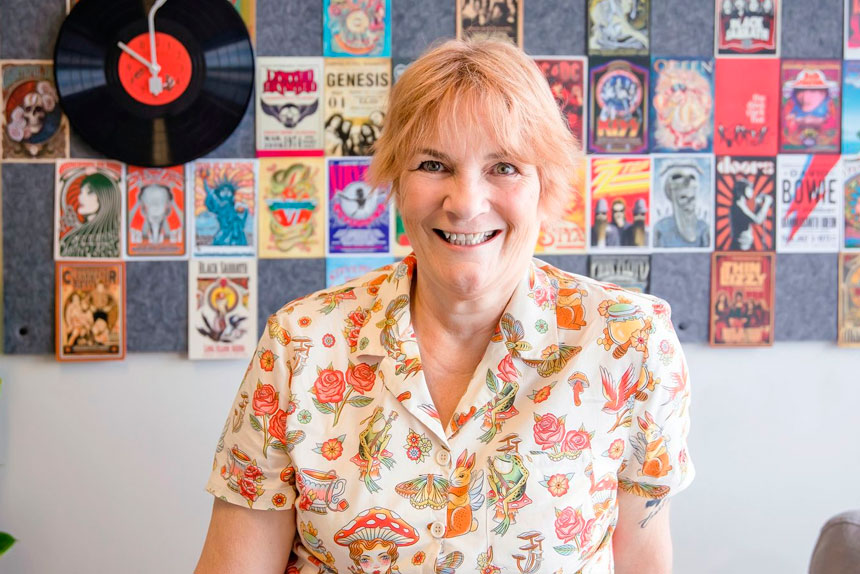
with Leanne Williams
Understanding neurodivergence shouldn’t require a psychology degree.
In this new regular column, specialist Leanne Williams cuts through the clinical language and confusing terminology to explain neurodivergence in plain English. Whether you’ve recently been diagnosed, are supporting a loved one, raising a neurodivergent child, or are simply wondering if some of the experiences you relate to have a name, this column is for you.
In her column, Leanne will unpack everyday challenges, celebrate strengths, and offer practical insights to help readers better understand themselves and those around them—because everyone deserves to feel seen, supported and understood.
SPEND five minutes in online forums where late-diagnosed autistic adults gather and you’ll notice the same conversations on repeat because the experience is that universal.
First up: the relief-grief dance. Relief, because finally there’s an explanation for years of feeling like everyone else got the “How to be an Adult” manual. Then grief sneaks in, mourning the school years, jobs and relationships that might have gone differently if someone had twigged earlier.
Then there’s imposter syndrome: “Am I autistic enough? Maybe the assessor got it wrong.” Spoiler, the person who spent months researching, resulting in a 10-page full of data with sub-headings, is probably autistic.
Then, the who-do-I-tell wrestle. Your boss? Your mum? It’s a risk. They might say something lovely, or “everyone’s a little bit on the spectrum”, plot twist: not true.
And the big one: masking. Post-diagnosis, many adults notice how much energy they’ve spent impersonating a neurotypical person. No wonder so many arrive at a diagnosis burnout, wondering why napping doesn’t fix it.
So, what helps? Don’t rush the big announcement, sit with it privately as long as you like. Treat your energy like a budget, not a bottomless account, schedule recovery time like a real appointment (it is). Unmask gradually, with safe people, there’s no rush. Find your people, socially and professionally.
The good news: none of this must be untangled alone, and it’s not about becoming a neurotypical human. It might be time to find the real you, embracing the neurodivergent you.