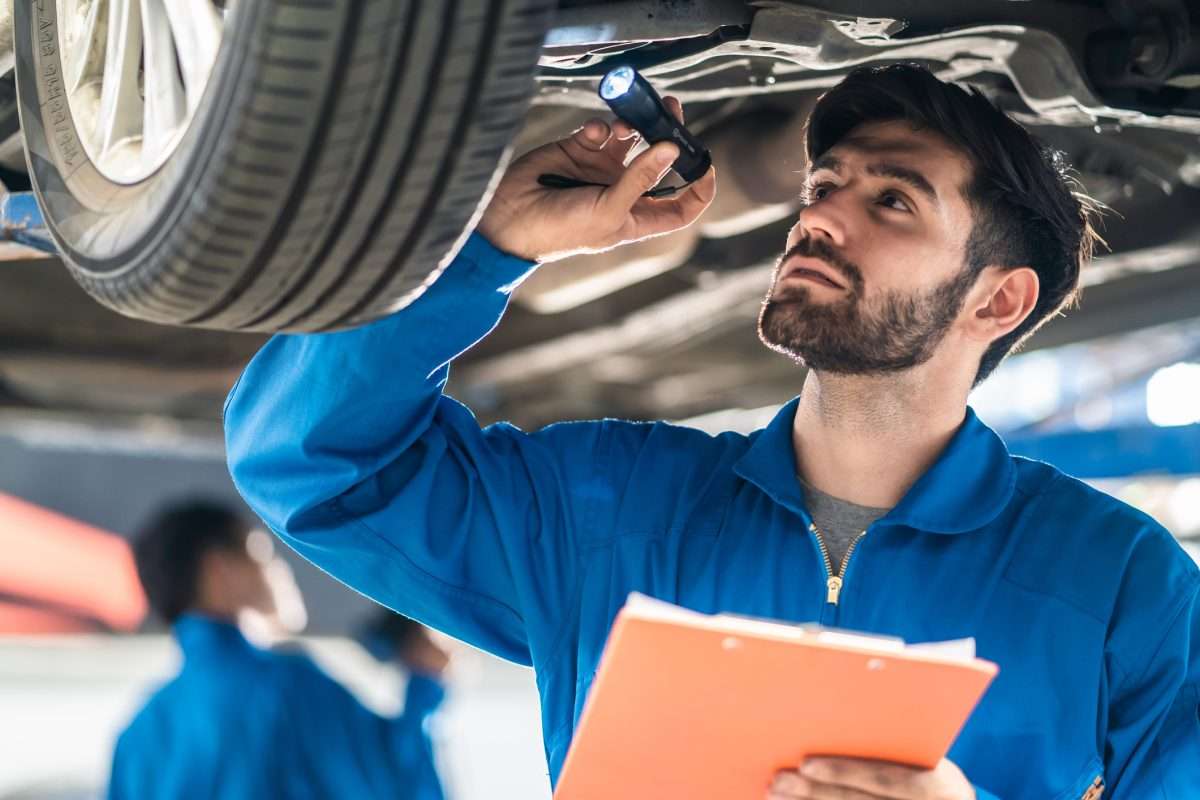
As the maxim goes, “prevention is better than cure”, so do a basic check of your car before heading off.
Make sure your oil and coolant levels are right and give your tyres a once-over. Look for foreign objects in the tyre rubber, make sure the treads are in good condition (at least 1.5mm of tread depth all over) and the air pressure is correct (check the tyre placard or owner’s handbook). Don’t forget to check the spare as well, you never know if you might need it.
Flat batteries are common reason for RACQ Roadside Assistance callouts.
To avoid draining your car’s battery don’t leave your lights or any vehicle accessories on when the engine is off.
If your car feels sluggish to start it could be a sign your battery needs replacing, so consider replacement before you head off. If you need a battery on the road, delivery and installation are included in your Roadside Assistance cover.
If you don’t feel confident checking the car yourself, book it in with a mechanic or RACQ for an inspection. If a scheduled service date is approaching, get that done before your trip and carry out any necessary repairs before hitting the road.
It is also recommended you check your window wiper blades are in good condition, your windscreen washer fluid is topped up and all your lights are working.
Check your windscreen for chips and cracks. RACQ Autoglass can repair any damage before you hit the road to ensure it doesn’t worsen on your trip.
Check your Roadside Assistance coverage
No matter how prepared you are, a breakdown or flat tyre can happen to anyone.
If you do break down, RACQ patrols are available to help 24 hours a day, 365 days a year by calling 13 1111 or using the Roadside Assistance app. If things don’t go to plan, you can cut the time it takes to get help by using the app and avoiding long wait times on the phone. You can quickly and easily request a patrol, track the status of your job and your patrol’s arrival time from the palm of your hand.
Check your Roadside Assistance is up-to-date and, if you’re travelling long distances or with a caravan, consider upgrading to ensure you’re covered no matter how far away from home you are. Compare our roadside options here and make sure you have the cover the best suits your needs.
Pack for safety
Overpacking for a trip is something that befalls even the most experienced travellers. Loose items can become missiles in a crash so only pack what you need and ensure all items are securely stowed.
Read your owner’s manual to find out the maximum weight of the car when fully loaded with passengers and luggage. Visit a weighbridge if you’re concerned your vehicle may be overweight when fully packed.
If you are towing, then have the laden van and vehicle combination weighed to ensure you are not exceeding the maximum specified weight limits, including the ball load.
If you are heading off-road then make sure you carry suitable recovery gear such as snatch straps in case of a mishap.
It is also a good idea to carry a first-aid kit and high-vis vest in case of an emergency.
Check road conditions
Before heading off, check road conditions for closures and traffic updates using the Qld Traffic map. It will help you avoid any unnecessary delays which can be frustrating and have the potential to ruin your trip. And remember: If it’s flooded, forget it.
Plan your stops
If you’re sticking to major roads, plan to stop to take a break and stretch your legs every two hours – this is also a great excuse to explore towns, museums and natural landmarks on the way. Visitor Information Centres are a great source of local knowledge to make the most of your pit-stop in town.
If you’re travelling in rural areas or outback where fuel stations are few and far between, you’ll need to plan your stops carefully to ensure you have enough fuel, water and food to make it to your next destination.
Download the Fuel Map app for a crowd-sourced database of petrol stations across Australia and, if you’re travelling in Queensland,
If driving an electric car, check where you can recharge your vehicle on the route.
If travelling in remote areas it is a good idea to let someone know of your travel route and estimated time of arrival. This will be helpful if you break down in an area with limited or no phone coverage.