Winding 184 kilometres through Queensland’s Scenic Rim, Logan and Gold Coast regions, the Logan River—known traditionally as Dugulumba—is far more than just a body of water. It’s a living thread that ties together Indigenous culture, colonial history, natural beauty, and modern-day life.
Rising in the shadow of Mount Barney near the New South Wales border, the river begins its journey in protected national parkland—part of the World Heritage-listed Gondwana Rainforests. From there, it meanders northward, joined by tributaries like Teviot Brook and the Albert River, before finally emptying into Moreton Bay.
Along the way, the river’s catchment supports a mix of agricultural and urban landscapes, with its mangrove-fringed mouth hosting aquaculture farms and wetland ecosystems.
Long before roads or rail lines crisscrossed the region, the Logan was a vital artery for the local Yugambeh people. The river, rich in resources, supported their seasonal lifestyle and spiritual connections to country. The language spoken here—Yugambeh, including dialects like Mununjali—covers a vast region from the Gold Coast to the Tweed and Scenic Rim.
The river’s colonial story began in 1826 when explorer Patrick Logan first charted it. Though he originally named it the Darling River, it was renamed in his honour to avoid confusion with another river. By the mid-1800s, settlers like Hugh Henry Robertson and author Rosa Campbell Praed had established life along its banks.
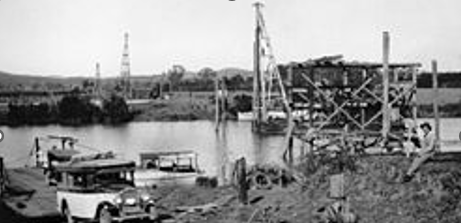
By the 1860s, the Logan River was buzzing with steamships and hand-loaded punts, carrying goods and people through the growing region. Bridges came and went—some claimed by floods, others replaced by sturdier successors. Even toll bridges once charged weekend travellers heading to the Gold Coast.
Today, the river still shapes the lives of those who live nearby. It’s crossed by highways, rail lines (with more planned ahead of the 2032 Olympics), and watched over by environmental reserves. And though times have changed, the Logan still flows with the same timeless rhythm—offering a natural escape, a historical journey, and a powerful sense of place.
Source: Wikipedia