Discover the timeless allure of orchids and their journey through history to become a favourite among plant enthusiasts. Learn how to cultivate these stunning blooms in our unique climate.
There are stages in our life when we might have the physical space to garden, but with work and kids and everything that goes along with that, there’s simply no time plants and gardening.
Later on, positions can reverse and we might have the time but not the space.
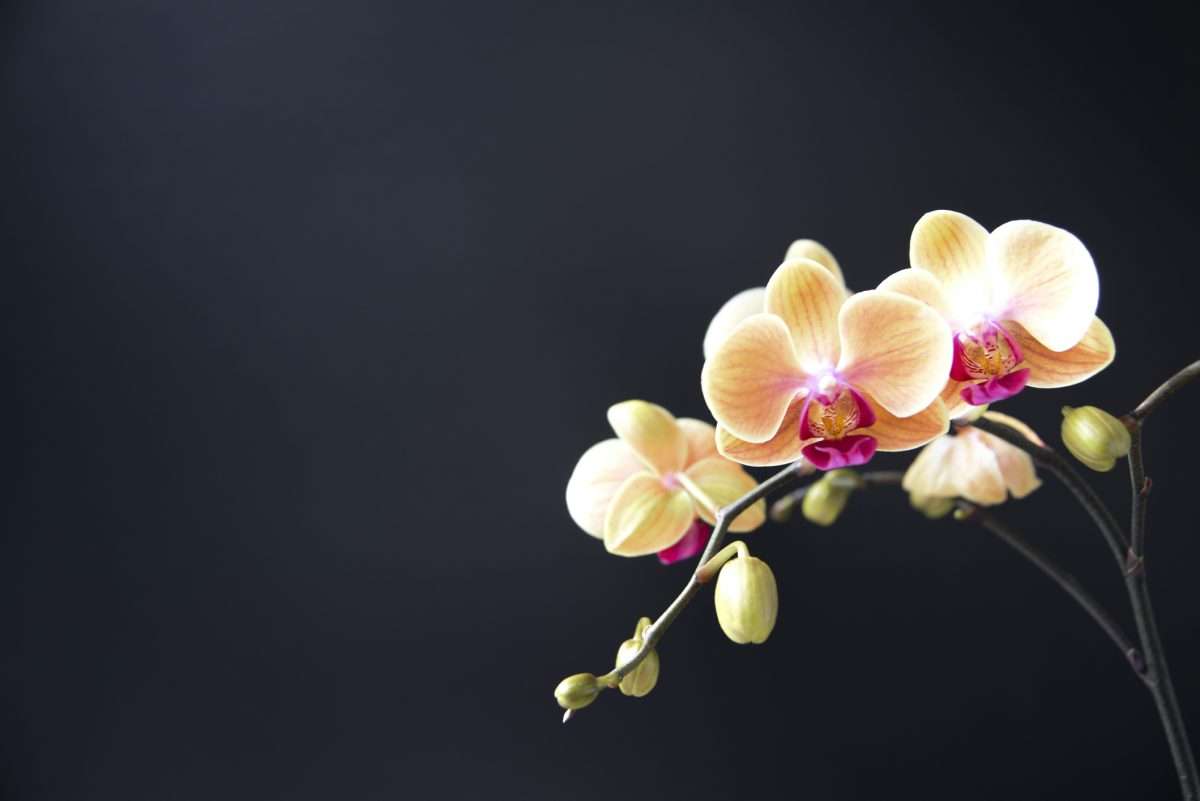
Because of these situations, the orchid can be a winner. These gorgeous flowering plants grow equally well in a pot as in the yard. They also have a history that dates back over 100 million years, these delicate blooms are found on every continent except Antarctica. The term “orchid” comes from the Greek word “orkhis,” symbolizing fertility and strength. Once the prized possessions of European aristocracy in the 18th century, orchids now adorn homes and gardens worldwide, embodying elegance and a touch of luxury. Their magnetism lies in their diversity—over 28,000 species—offering colors, shapes, and scents that are nothing short of mesmerizing.
There are more than 28,000 recognized species of orchids, making them one of the largest and most diverse plant families in the world. In addition, countless hybrids have been cultivated by enthusiasts, pushing the total number even higher. Orchids are found in almost every environment, from tropical rainforests to arid deserts, which accounts for their incredible variety in size, shape, and color.
While many orchids are known for their alluring fragrance, not all varieties are scented. The lack of perfume in some orchids is a fascinating evolutionary strategy. Orchids rely on specific pollinators—such as bees, moths, or butterflies—and their appearance often mimics the visual or tactile cues these pollinators seek. If an orchid can attract pollinators with its vibrant colors, intricate patterns, or even by mimicking the look of a female insect (as seen in Ophrys species), it doesn’t need to produce a scent.
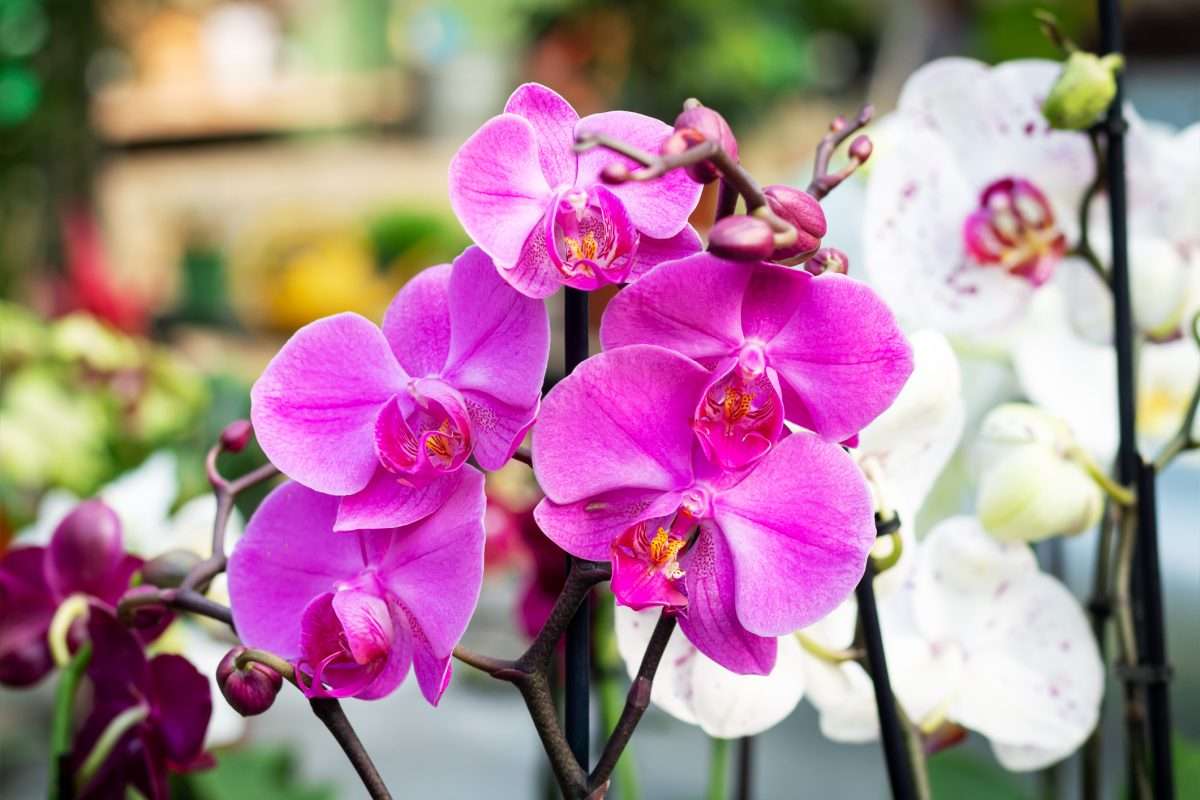
In some cases, producing perfume would expend unnecessary energy if the pollinator isn’t driven by smell. Conversely, many orchids that do have fragrances use them to mimic other smells—floral, fruity, or even unpleasant odors—to attract their desired pollinators. So, while the perfume of orchids varies greatly, their allure always lies in their clever adaptations and visual beauty.
TIPS FOR GROWING ORCHIDS
Growing orchids in Brisbane is an achievable dream thanks to the city’s warm climate, which mirrors the natural tropical and subtropical habitats of many orchid species. While they can thrive in both pots and gardens, the key lies in understanding their preferences.
Pots:
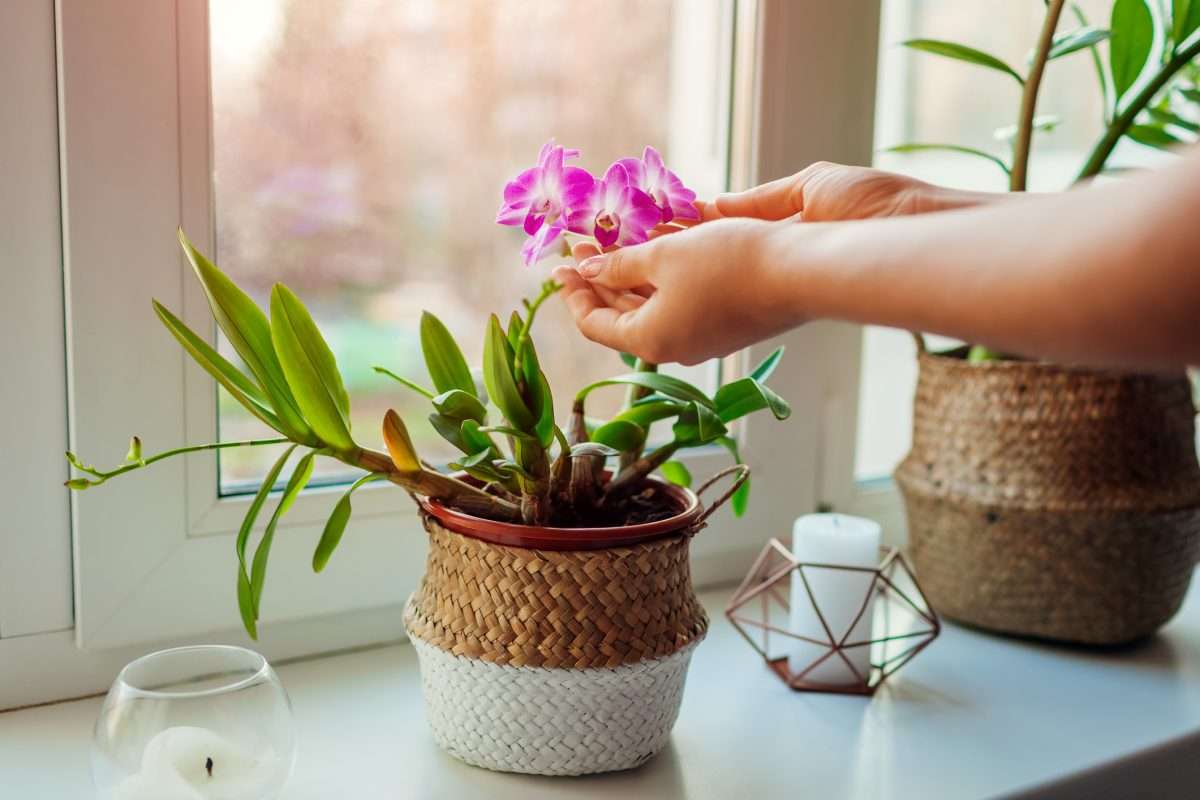
Orchids like Phalaenopsis (moth orchids) and Dendrobiums perform wonderfully in pots. Use a well-draining orchid mix made of bark or sphagnum moss to ensure their roots get the air circulation they need. Choose pots with ample drainage holes to prevent waterlogging.
Garden:
If planting directly in your garden, select epiphytic species, which thrive when mounted on trees or hung from branches. For ground orchids like Spathoglottis, ensure rich, loose soil with organic matter.
Sunlight and Watering:
Orchids require bright, indirect sunlight. In Brisbane, place them in shaded areas to avoid harsh midday sun, which can scorch their leaves. Water sparingly—usually once a week—allowing the growing medium to dry out slightly between waterings. Rainwater or distilled water is ideal, as orchids are sensitive to salts in tap water.
With proper care and patience, orchids reward their growers with breathtaking blooms that can last weeks, even months. Whether gracing a windowsill or transforming a backyard into a tropical paradise, orchids bring a timeless beauty to any space, making them a treasure for any gardener.