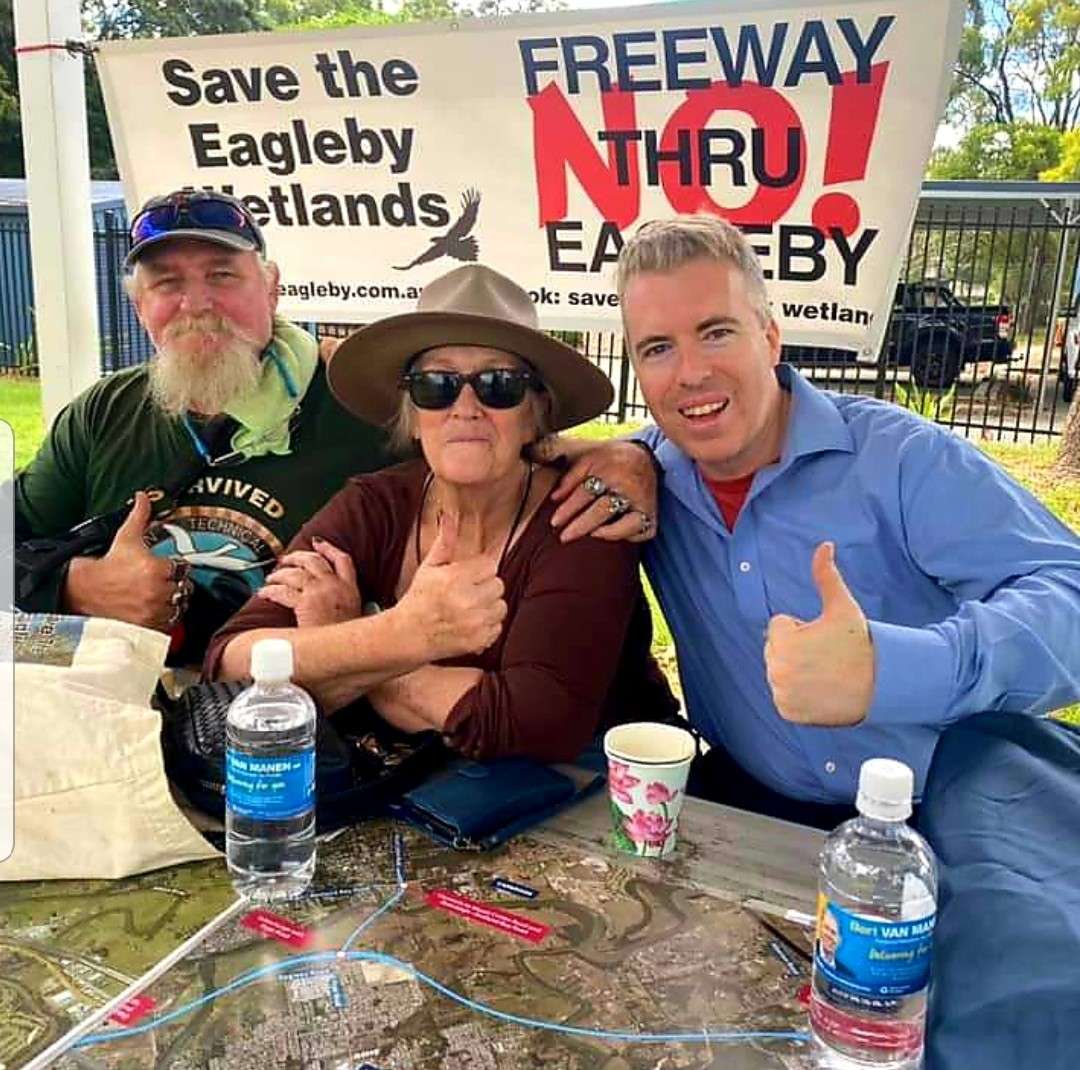
As 2025 speeds ahead, many people are working to turn their hopes and dreams into reality. Claire Taylor of Eagleby is one of them.
For six years, Claire has been campaigning for a quieter, greener future. Along with a dedicated group of like-minded residents, she is urging the state government to reconsider a proposed project—the Coomera Connector (Northern Section). The group is calling for the project to either be diverted or shelved.
This road’s story began in the 1990s when the Goss Labor Government proposed an alternative route to the Pacific Highway through a koala habitat in Logan. In 1995, controversy surrounding the proposal played a role in the government’s downfall. Nearly 30 years later, the concept was revived, and in 2019 the State Government gazetted the route. This action spurred the formation of the Eagleby Community and Wetlands Group, an advocacy organization committed to protecting Eagleby Wetlands for future generations. Their rallying cry is: “NO FREEWAY THROUGH EAGLEBY.”
The Coomera Connector, designed as an alternative to the M1, was promoted by the previous government as a solution to traffic congestion between Logan and the Gold Coast. However, the new government has pledged to re-examine the route.
Claire Taylor, the group’s Engagement Officer, outlines their concerns:
- Encircling the area with heavy traffic
- The potential destruction of Eagleby Wetlands, a critical habitat for kangaroos, wallabies, echidnas, and over 200 native Australian bird species, including 19 of the 24 Australian raptors
- The loss of a tranquil lifestyle, replaced by noise pollution, environmental degradation, and dwindling flora and fauna
“Residents are sick of living in limbo,” says Group Chairman Marcus Fitz-Gerald. Without clarity on the project’s future, locals are unable to make informed decisions about their lives. Fitz-Gerald notes that government acquisitions of residential and commercial properties have already disrupted the community. The uncertainty also impacts the area’s last remaining sugar cane grower.
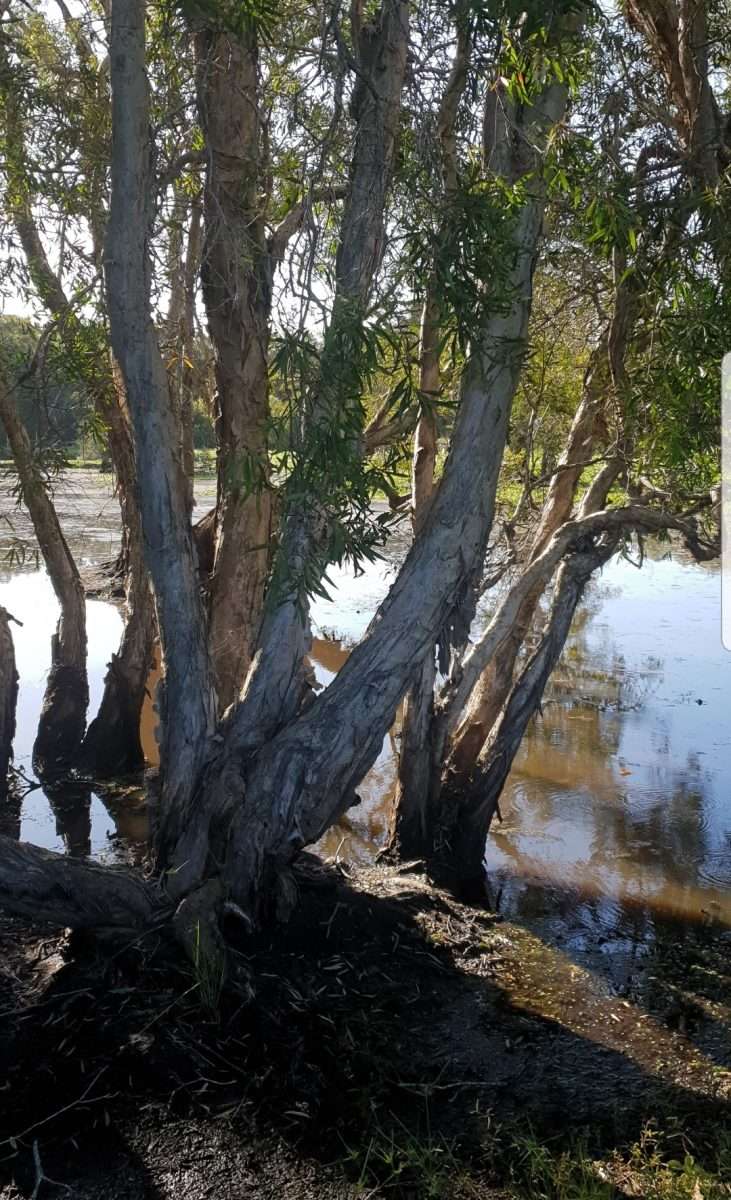
Fitz-Gerald argues that the funds earmarked for the project could be better allocated elsewhere.
The government has conducted consultations on the project, as noted on its website:
“Initial community consultation on the Coomera Connector was undertaken in late 2019. While 4 out of 5 people surveyed at that time supported the Coomera Connector being built as soon as possible, some community members raised questions about its alignment near Eagleby and potential impacts on the wetlands.
In 2021, six alternative alignments were assessed, and the gazetted route was determined to offer the best overall outcome. In 2023, the concept design plans were shared for community feedback during a five-week consultation period.”
Despite this, the Eagleby Community and Wetlands Group continues to fight for the preservation of their natural surroundings. The group has organized fundraisers, engaged in citizen science projects to document local wildlife, and held discussions with politicians and community members.
As 2025 unfolds, their goal remains clear:
“The State Government should remove the gazettal,” Fitz-Gerald asserts.
For Claire Taylor, the mission is deeply personal.
“I believe people power will win this environmental battle,” she says.
Factbox:
Coomera Connector (Future Stages): Loganholme to Coomera
- Current Status:
The business case has been completed and is under review. An environmental referral is in development with the Department of Climate Change, Energy, the Environment and Water. - Key Features:
- 29 km alternative corridor to the M1, with active transport paths and eight new interchanges
- Additional bridge crossings over the Logan and Albert rivers
- Local road connections from Eagleby to Beenleigh–Redland Bay Road and Mount Cotton Road at Carbrook
- Funding:
The Australian and Queensland governments have jointly committed $22 million for planning, on a 50:50 federal-state basis.
The Eagleby Wetlands Reserve
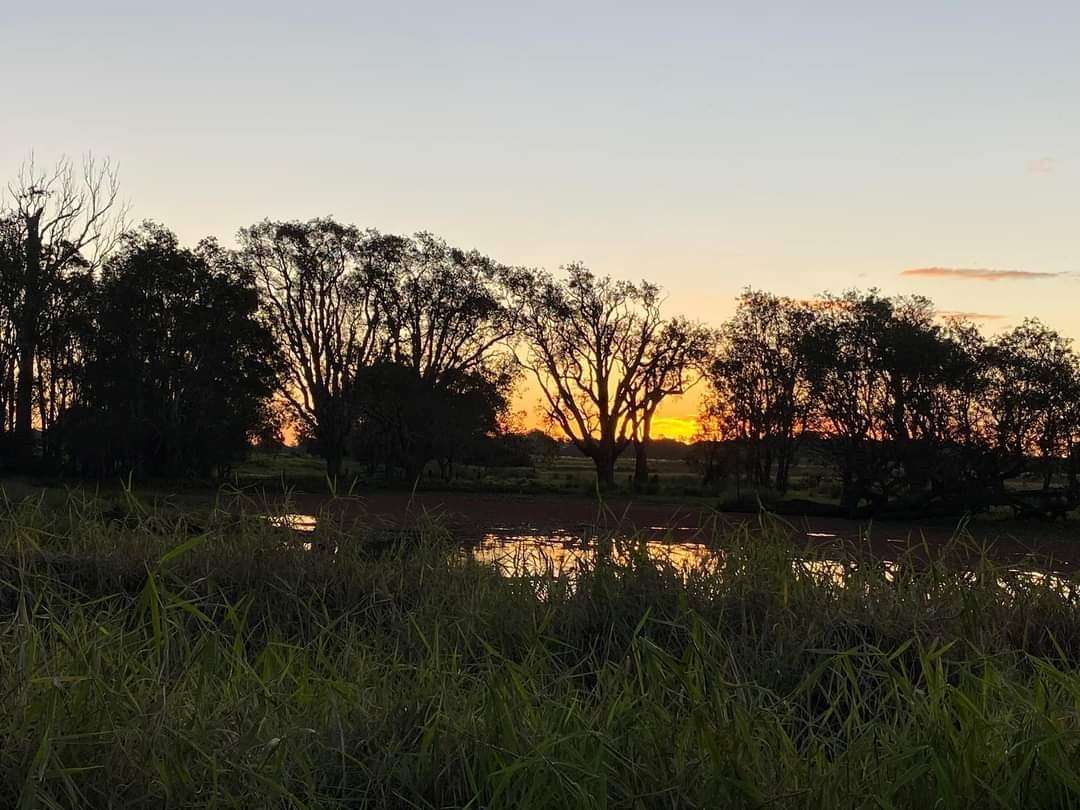
The wetlands, rehabilitated by local residents, are a haven for wildlife and a recreational space for the community. Key features include:
- Diverse habitats, such as melaleuca swamps, brackish wetlands, a freshwater lake, and grasslands
- Bird hides, exercise trails, and a boardwalk
- Facilities like sporting fields and stormwater ponds
The area, rich in Indigenous heritage, continues to showcase the cultural and environmental significance of the Yugambeh people, the traditional custodians of the land.